





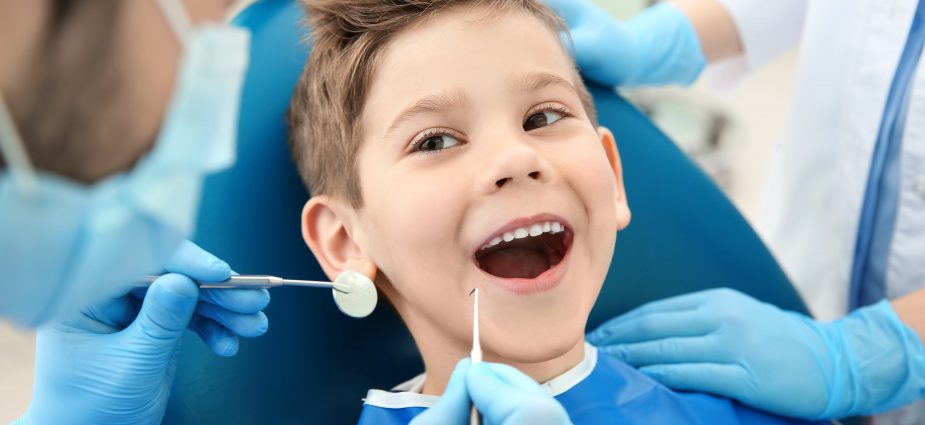

When a Child's Teeth Needs a Little More Room in the jaw
As a parent, hearing that your child may need a palatal (Upper) expander can feel overwhelming — especially when you are not entirely sure what the device does or why it is needed. The good news is that jaw expansion in children is one of the most well-established, carefully timed treatments in pediatric orthodontics, and starting at the right age can make a meaningful difference to how a child’s face and bite develop.
Why Jaw Expansion Is Needed
A narrow upper jaw is more common than many parents realise. When the upper jaw is too narrow relative to the lower jaw, teeth can become crowded/overlapping, the upper teeth can end up biting inside the lower teeth — a condition called a crossbite — and the tongue may not have enough room to rest in its natural position. Breathing patterns, chewing efficiency, oral hygiene maintenance and even speech can be affected in some children.
Types of Palatal Expanders: Fixed and Removable
There are two broad categories of palatal expanders used in pediatric orthodontics: fixed expanders and removable expanders. The right choice depends on your child’s specific needs, age, and how much cooperation and compliance can realistically be expected.
The Correct Timing to Begin Treatment
Timing is arguably the most important factor in jaw expansion. The treatment works by taking advantage of the natural growth phase — the midpalatal suture — that runs between the two halves of the upper jaw. In younger children, this suture is still flexible and responsive to gentle pressure. As children move through adolescence and into early adulthood, the suture gradually fuses, making non-surgical expansion progressively more difficult and, eventually, not possible without a surgical approach.
For most children, the window for effective palatal expansion tends to fall during the mixed dentition years — the phase when both baby teeth and permanent teeth are present — and into early adolescence. Earlier intervention, when indicated, generally requires less force and a shorter treatment duration. Waiting too long can mean the suture has already begun to fuse, reducing the effectiveness of the appliance.
How Long Does Jaw Expansion Take?
Parents often ask how long the process will take, and the honest answer is that it varies from child to child depending on how much expansion is needed, which type of expander is used, and how well the child’s bone responds to the treatment.
The active expansion phase — the period during which the device is being adjusted — is typically followed by a retention phase. During retention, the expander remains in place but is no longer adjusted, allowing the new bone that has formed in the gap to consolidate and stabilise. Skipping or shortening this retention period can allow the palate to narrow again, so it is an essential part of the process.
Overall, the combination of active expansion and retention can span several months, usually between 6-10 months. Your child’s specialist will give you a more specific timeline after evaluating the degree of expansion required and monitoring how your child is progressing. Regular follow-up visits, generally in 4-6 weeks are an important part of ensuring the treatment stays on track
Results You Can Expect
Jaw expansion, when started at the right time and carried through correctly, aims to create more space in the upper arch, improve the bite relationship between the upper and lower jaws, and provide better room for permanent teeth to erupt. For children with a crossbite, the goal is to bring the upper and lower jaws into a more balanced relationship and alignment.
Parents sometimes notice a small gap opening between the two upper front teeth during active expansion — this is a normal and expected sign that the palate is widening. This gap typically closes on its own once the expander is no longer being activated, as the surrounding teeth naturally shift.
It is important to have realistic expectations. Results vary between patients, and jaw expansion is often one part of a broader, phased orthodontic plan rather than a standalone solution. Some children may still benefit from further orthodontic treatment after expansion is complete. What expansion does well is address the underlying jaw width issue at a stage when the body is naturally receptive — making any subsequent treatment simpler and potentially shorter.
The Benefits of Expanding Early- The Story Beyond Teeth!
Early intervention in jaw development carries meaningful advantages that go beyond straightening teeth. When a narrow jaw or crossbite is addressed during childhood, the specialist is working with the body’s own growth rather than against it. The bone is more responsive, the forces required are gentler, and the treatment timeline is generally more favourable.
Addressing a crossbite early may also reduce the degree to which the jaw shifts habitually to one side, which can otherwise become a more established pattern over time. Creating adequate arch space can reduce — though not guarantee the elimination of — crowding as permanent teeth come through, and in some cases may reduce the complexity of future orthodontic treatment.
Perhaps most importantly, treating jaw problems during the growth years means you are giving your child’s developing bite, airway, and facial structure the best possible foundation — at the age when the body is most capable of responding.
Dr. PratibhaThe most valuable thing we can do in pediatric dentistry is assess the jaw and bite before problems become obvious. Expansion works with a child's natural growth — and that window does not stay open indefinitely.
Frequently Asked Questions
An early orthodontic assessment is worthwhile even before all the permanent teeth have come through. The mixed dentition phase (6-9 years) — when your child has a combination of baby and adult teeth — is often the ideal time to evaluate jaw width and bite relationship. If you have noticed crowding, a shifted bite, or your child's teeth not meeting properly, it is worth bringing this up with a pediatric dental specialist sooner rather than later, as the window for the most effective non-surgical expansion is tied to your child's growth stage.
Most children experience some pressure or mild discomfort in the first few days after the expander is fitted or after each adjustment, particularly with fixed rapid maxillary expansion devices. This is a normal response to the gentle force being applied. The sensation typically settles within a day or two. Speech may also sound slightly different at first, but most children adapt within a short period. Some children do complain of oral ulcers due to the device, but they respond well to oral gels and medications. Most of the symptoms typically disappear after the first week. If your child is experiencing significant or persistent pain, you should contact your treating specialist.
Once the midpalatal suture has fully fused — which typically happens in later adolescence or early adulthood — a palatal expander alone is no longer effective for widening the jaw. In those cases, surgically assisted rapid palatal expansion (SARPE) or jaw surgery may be considered. This is one of the key reasons that early assessment and timely intervention during the growth years is so worthwhile — it keeps the simpler, non-surgical options available.
Jaw expansion addresses the width of the upper arch and the relationship between the upper and lower jaws, but it is important to note that it does not straighten individual teeth. Many children do go on to have further orthodontic treatment — such as braces or aligners — after expansion is complete. However, having adequate space in the arch beforehand can make that subsequent treatment more straightforward. Your child's specialist will outline the likely overall treatment plan at the time of assessment.
Taking the Next Step for Your Child's Jaw Development
If you have been told your child has a narrow upper jaw, a crossbite, or significant crowding, an early specialist assessment is the most important step you can take. Jaw expansion in children is a well-established treatment, but its effectiveness is closely linked to timing — and the growth window a child naturally has does not last indefinitely.
At Pandit Clinic in Pune, Dr. Pratibha offers early orthodontic assessments and interceptive treatment for children, evaluating jaw development, bite patterns, and growth stage to determine whether expansion is appropriate and when to begin. Complex cases involving both dental and jaw concerns can also be discussed in conjunction with our oral and maxillofacial surgeon, Dr. Vikram Pandit, within the same clinic.
If you have questions about your child’s bite or jaw development, or would like to arrange an assessment, reach out to us at Pandit Clinic on +91-7888229284. Early answers lead to better options
Virtual Video Consultations
100% SAFE AND SECURE CALLS WITH ENCRYPTION. YOUR PRIVACY AND CONFIDENTIALITY IS GUARANTEED.
Start here, by making an appointment for a virtual consultation with our expert Dr. Pratibha Kukreja Pandit (NEW PATIENTS ONLY).
Dr. Pratibha Kukreja Pandit is available for Virtual Video Consultations from Monday – Saturday between the hours of 11 am – 2pm and 4pm – 7pm.
If you are already our valued patient with questions or have an emergency please contact the clinic on +91 9822053446
Consult Dr. Pratibha Kukreja Pandit
(Pediatric Dentist)
Virtual Video Consultation Fees Rs. 500
The Consultation Fees Must Be Paid Online by GOOGLE PAY BEFORE YOUR APPOINTMENT. See The Instructions On Appointment Confirmations
Your virtual video consultation includes:
- Discussion of problems that your child is facing like tooth pain, swelling or any other emergencies
- Dr. Pratibha will recommend a course of treatment or medications for your child.

Meet the Doctor
Pediatric and Preventive Dentistry Specialist
Dr. Pratibha is the Chief Dentist at Pandit Clinic. She is also a Consultant Pediatric Dentist at Kotbagi Hospital and KEM Hospital, Pune.
Dr. Pratibha has trained at the prestigious Chang Gung Memorial Hospital, Taiwan, in advanced areas including Pediatric dental treatment under General Anesthesia and Intravenous sedation, Dental Rehabilitation of children with special health care needs, and Nasoalveolar molding and dental rehabilitation of cleft lip and cleft palate.
She’s the lifetime member of Student Clinician Association, American Dental Association (SCADA), USA.
Professional Affiliations and Skills
- Trained in Pediatric dental treatment under General Anesthesia and Intravenous sedation at Chang Gung Memorial Hospital, Taiwan
- Trained in Dental Rehabilitation of children with special health care needs at CGMH, Taiwan
- Trained in Nasoalveolar molding and dental rehabilitation of Cleft lip and Cleft Palate at craniofacial centre, CGMH, Taiwan
- Awarded Lifetime membership, SCADA (Student Clinician Association, American Dental Association), USA.
You Might Be Interested In
Prevent Tooth Decay In Kids With The Right Oral Care Habits
Dr Pratibha Kukreja Pandit (MDS, Paediatric and Preventive Dentist) interacts with parents every day and addresses issues such as cavities and tooth decay. In this blog, Dr Pratibha, as an expert dentist for kids, will be discussing oral health habits, what is tooth decay and how to prevent it easily through better oral care habits.

Caring for Your Child’s Space Maintainer: Aftercare and Precautions
Why Space Maintainer Care Matters More Than You Might Think If your child’s dentist has just fitted a space maintainer, you may have left the