





If jaw pain, clicking, or limited mouth opening has been affecting your daily life, TMJ arthrocentesis offers a gentle, effective path to relief without the need for open surgery. Learn how this minimally invasive procedure works, who it helps, and what to expect from start to recovery.
When Jaw Pain Won't Go Away
Most people experience a sore jaw from time to time — after a long dental appointment, a stressful week, or a rough night’s sleep. But when jaw pain becomes a daily reality — accompanied by clicking sounds, difficulty opening your mouth fully, or a jaw that feels stuck or locked — it can significantly affect eating, speaking, and quality of life. These symptoms often point to a condition called temporomandibular joint disorder, or TMD. The temporomandibular joint (TMJ) is the small but remarkably complex joint that connects your lower jaw to your skull, allowing the wide range of movement needed for chewing and talking. When this joint becomes inflamed, compressed, or restricted — due to injury, teeth grinding, arthritis, or structural issues — the results can be genuinely debilitating. The good news is that many patients find lasting relief through a procedure called TMJ arthrocentesis: a minimally invasive TMJ treatment that works with your body’s own joint structures to restore comfortable movement. At Pandit Clinic in Pune, Dr. Vikram Pandit offers this procedure for appropriate candidates, providing a precise, evidence-based route to relief.
What Is TMJ Arthrocentesis?
TMJ arthrocentesis is a minimally invasive jaw surgery technique designed to relieve pain and restore movement in the temporomandibular joint. The word itself comes from Greek roots meaning joint and puncture — and that accurately describes the core of the procedure. Using small needles, the surgeon gently accesses the upper compartment of the jaw joint and flushes it with a sterile saline solution. This process, also known as joint lavage or jaw joint irrigation, achieves several important goals simultaneously. It washes away inflammatory byproducts — proteins and enzymes that accumulate in a troubled joint and perpetuate the pain cycle. It breaks down adhesions, which are small fibrous attachments that can cause the joint disc to stick and restrict mouth opening. And it reduces the pressure inside the joint space that contributes to persistent discomfort. Unlike open jaw surgery, arthrocentesis does not require any incisions in the skin, no stitches, and no general anaesthesia in most cases. It is typically performed under local anaesthesia, sometimes with mild sedation, and takes between 15 and 30 minutes. This makes it one of the most accessible and practical options in the spectrum of TMD procedures available today.
Who Is a Good Candidate for This Procedure?
Not everyone with jaw discomfort needs arthrocentesis — many mild TMD cases respond well to conservative management such as physiotherapy, night guards, anti-inflammatory medications, or dietary changes. However, when these approaches have been tried for an appropriate period without sufficient improvement, arthrocentesis becomes a compelling next step. The procedure tends to be particularly effective for patients experiencing limited mouth opening, often called trismus or closed lock, where the jaw cannot open beyond a restricted range. It also works well for those with acute disc displacement — where the cartilage disc inside the joint has moved out of its normal position — causing locking or significant pain during jaw movement. Patients with chronic joint inflammation that has not responded to conservative TMJ treatment, or those with early-to-moderate degenerative joint changes, are also typically good candidates. Dr. Vikram Pandit will evaluate your case thoroughly before recommending arthrocentesis. This includes reviewing your symptom history, conducting a clinical examination of your jaw range and joint sounds, and in many cases reviewing imaging such as an MRI or CT scan to assess the internal joint structures. The goal is always to match the right level of treatment to your specific situation — neither undertreating a significant problem nor escalating to surgery when simpler options may still help.
What Happens on the Day of the Procedure?
Understanding what to expect can significantly reduce anxiety before any medical procedure, and arthrocentesis is no exception. When you arrive at Pandit Clinic for your TMJ arthrocentesis appointment, Dr. Vikram Pandit and his team will first ensure you are comfortable and answer any last-minute questions. Local anaesthesia is administered around the joint area, and in some cases a mild sedative may be given to help you relax — Dr. Vikram Pandit will discuss this with you in advance. Once the area is numb, two small needles are carefully placed into the upper joint space using precise anatomical landmarks. Sterile saline solution(ringer lactate) is then gently introduced through one needle and flows out through the other, flushing the joint continuously. This jaw joint irrigation removes inflammatory fluid and any loose debris within the joint. The surgeon may also gently manipulate the jaw during the irrigation to help reposition the disc and improve the range of movement. The entire process typically takes under 30 minutes. Because no incisions are made and no stitches are required, you will not leave with bandages or dressings. Most patients feel only mild pressure during the procedure, with the local anaesthesia effectively managing discomfort. You will rest briefly at the clinic before being discharged, and because sedation may be used, it is advisable to arrange for someone to drive you home.
Dr. Vikram PanditArthrocentesis is one of those procedures that surprises patients — they expect something complex and recover far more quickly than anticipated. For the right candidate, the improvement in jaw movement and reduction in pain can be genuinely life-changing, and it is achieved through one of the least invasive approaches available in jaw joint care.
Recovery and What Outcomes to Expect
One of the most significant advantages of this TMD procedure is the recovery profile. Because there are no surgical incisions, recovery is far shorter and more comfortable than open jaw surgery. Most patients experience mild soreness and some swelling around the joint for two to three days following the procedure. Applying a cold pack to the area in the first 24 hours helps manage this, and over-the-counter anti-inflammatory medication is usually sufficient for pain management. A soft diet is recommended for the first few days — soups, yogurt, and well-cooked foods are ideal — before gradually reintroducing normal eating as comfort allows. Dr. Vikram Pandit will likely recommend specific jaw exercises to begin shortly after the procedure, which help maintain the improved range of motion and prevent re-adhesion within the joint. In terms of outcomes, the research and clinical experience behind arthrocentesis is encouraging. Many patients notice an improvement in mouth opening and a reduction in joint pain within days of the procedure. Results continue to improve over the weeks that follow as inflammation settles. Some patients require a single session, while others may benefit from a second procedure after a period of time. Arthrocentesis does not guarantee permanent resolution for every patient — outcomes depend on the underlying cause and severity — but for appropriate candidates it offers meaningful, sustained improvement in function and comfort.
Arthrocentesis Compared to Open Jaw Surgery
Understanding where arthrocentesis sits in the broader landscape of jaw treatment helps patients make informed decisions. The management of TMD follows a logical progression — from the most conservative options first to more involved interventions only when necessary. Open jaw surgery, including procedures to repair or replace joint structures, sits at the more complex end of this spectrum. It requires general anaesthesia, hospitalisation, significant recovery time, and carries the standard risks associated with open surgical procedures. Arthrocentesis, by contrast, is a minimally invasive jaw surgery option that achieves meaningful results for a substantial group of patients without any of that complexity. It effectively sits between conservative non-surgical care and open surgery, making it an important middle ground. For patients who have not responded to splints, physiotherapy, or medication, arthrocentesis is often the logical and proportionate next step — particularly when the issue involves inflammation, adhesions, or disc displacement rather than significant structural damage to the joint. Patients with more advanced joint deterioration, such as severe arthritic changes or structural disc damage requiring repair, may ultimately need a more involved surgical approach. Dr. Vikram Pandit will always recommend the most appropriate level of treatment for your specific condition rather than defaulting to a more complex procedure when a simpler one may achieve the same goal. Arthroscopically guided arthrocentesis is another minimally invasive surgical procedure that helps with TMJ pain, and improves the range of movements in certain patients.
Frequently Asked Questions
The procedure is performed under local anaesthesia, which means the joint area is fully numbed before the needles are introduced. Most patients feel some pressure during the procedure but not sharp pain. Some mild soreness and swelling around the jaw is common for two to three days afterwards, which is typically managed comfortably with anti-inflammatory medication and cold packs.
Many patients experience significant improvement after a single session of jaw joint irrigation. However, the number of sessions depends on the severity of the condition, the underlying cause, and how the joint responds. Dr. Vikram Pandit will reassess your progress after the initial procedure and discuss whether a follow-up session would be beneficial in your case.
Both are minimally invasive approaches, but they differ in complexity. Arthrocentesis uses two needles to flush the joint and is simpler, quicker, and performed under local anaesthesia. Arthroscopy involves inserting a small camera into the joint to allow the surgeon to visualise the internal structures directly and perform more targeted interventions. Arthroscopy is a step up from arthrocentesis and is typically recommended when more detailed assessment or treatment within the joint is required.
Teeth grinding, or bruxism, is a common contributing factor to TMD and joint inflammation. If grinding has led to significant joint inflammation, adhesions, or restricted movement that has not responded to a night guard and other conservative measures, arthrocentesis may help relieve the joint symptoms. However, addressing the underlying bruxism with a properly fitted occlusal splint remains an important part of managing the condition long-term alongside any procedural treatment.
Taking the Next Step Toward Jaw Pain Relief
Persistent jaw pain has a way of quietly eroding daily life — making meals uncomfortable, disrupting sleep, and creating a constant background of tension that becomes exhausting to live with. If you have been managing TMD symptoms with limited success, TMJ arthrocentesis may offer the targeted, minimally invasive solution that moves you toward real relief. At Pandit Clinic in Pune, Dr. Vikram Pandit brings specialist expertise in jaw joint assessment and treatment to a clinic environment that is accessible, comfortable, and built around your care. He takes time to understand your history, explains your options clearly, and recommends only what is genuinely appropriate for your situation. If you are experiencing jaw pain, limited mouth opening, joint locking, or persistent clicking that affects your quality of life, book a consultation with Dr. Vikram Pandit at Pandit Clinic today. A thorough evaluation is the first step toward understanding what is happening in your joint — and what can be done about it.
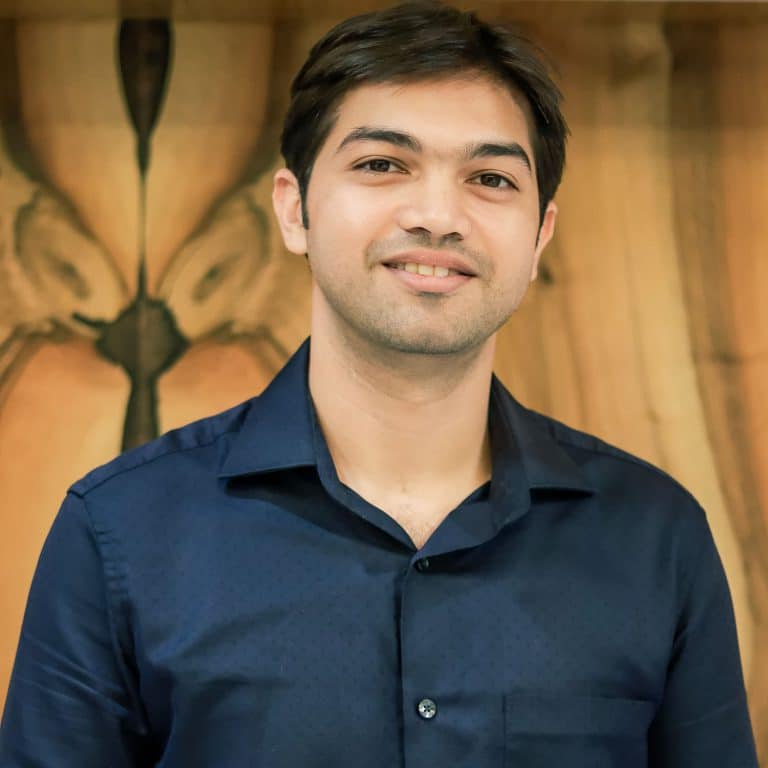
Meet the Doctor
BDS, MDS Oral & Maxillofacial Surgeon
Dr. Vikram is a visiting consultant and consultant oral and maxillofacial surgeon at the top hospitals in Pune like Poona Hospital and Research Centre, Ratna Memorial Hospital, Pandit Clinic and KEM Hospital. Dr. Vikram has done clinical fellowship in craniofacial surgery with focus on surgery for cleft lip and palate deformities, orthognathic surgery and surgery for sleep related disordered breathing (SRDB). He has trained for advanced management for Facial Trauma, from Taiwan. He has also attended various seminars and done workshops related to Oral and Maxillofacial Surgery. Dr. Vikram is also a co- author of a chapter for a textbook. He has been invited as a speaker for number of conferences in India as well as Internationally.